
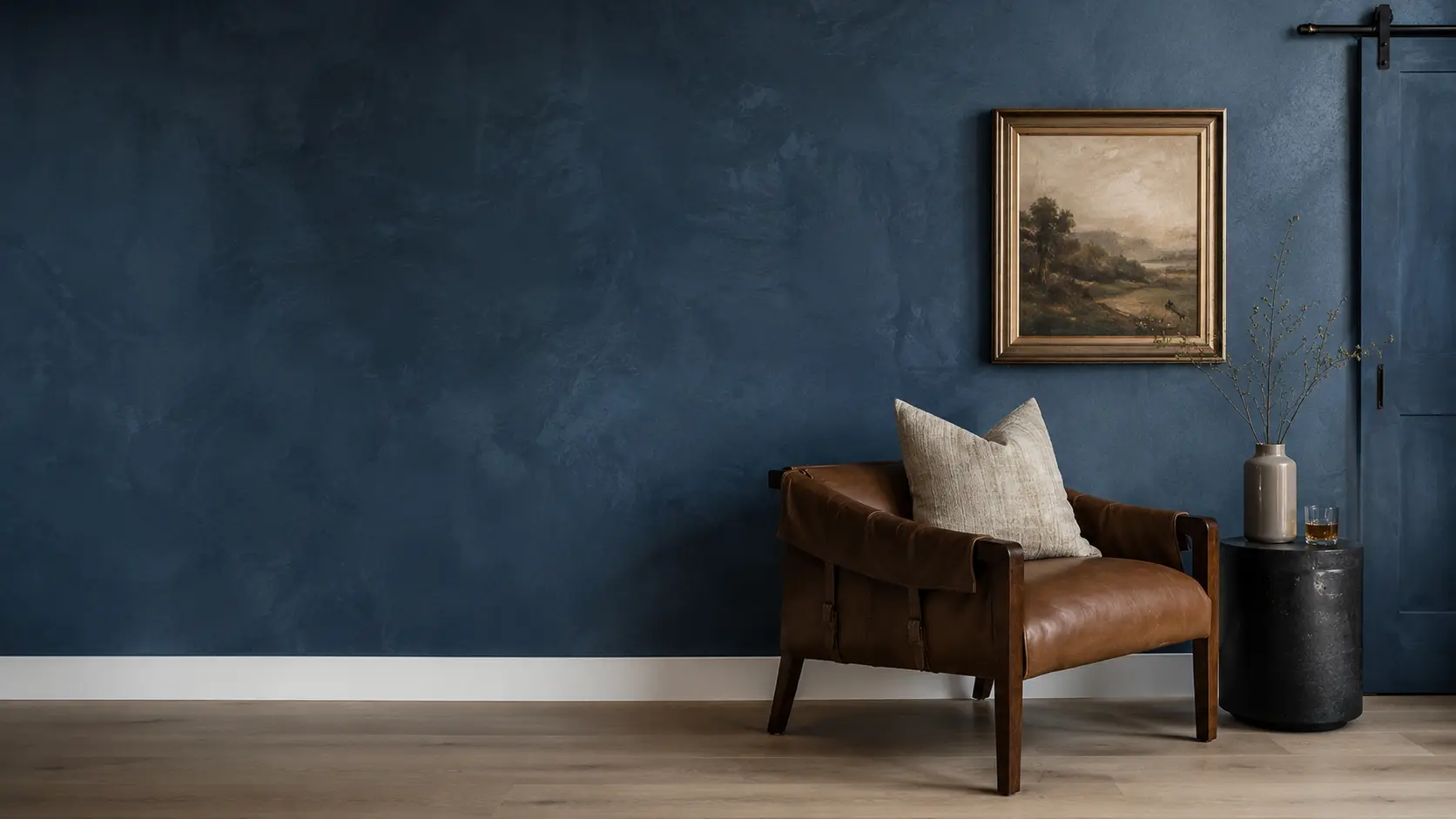
Roman Clay in Orange County - Matte, Velvet, Hand-Troweled
Roman clay is the right choice when a room calls for softness, tonal restraint and a matte, tactile surface - warmer and quieter than the polish of Venetian plaster. SBK Group applies Roman clay in-house for calm interior walls across Orange County, in cities such as Corona del Mar, Laguna Beach, Laguna Hills, Mission Viejo and San Clemente, with our finish specialists handling the estimate, the sample and the surface itself.
Drawn to a soft, matte wall? Tell us the room and how it is used - we will tell you honestly whether Roman clay is the right fit.
What Is Roman Clay?
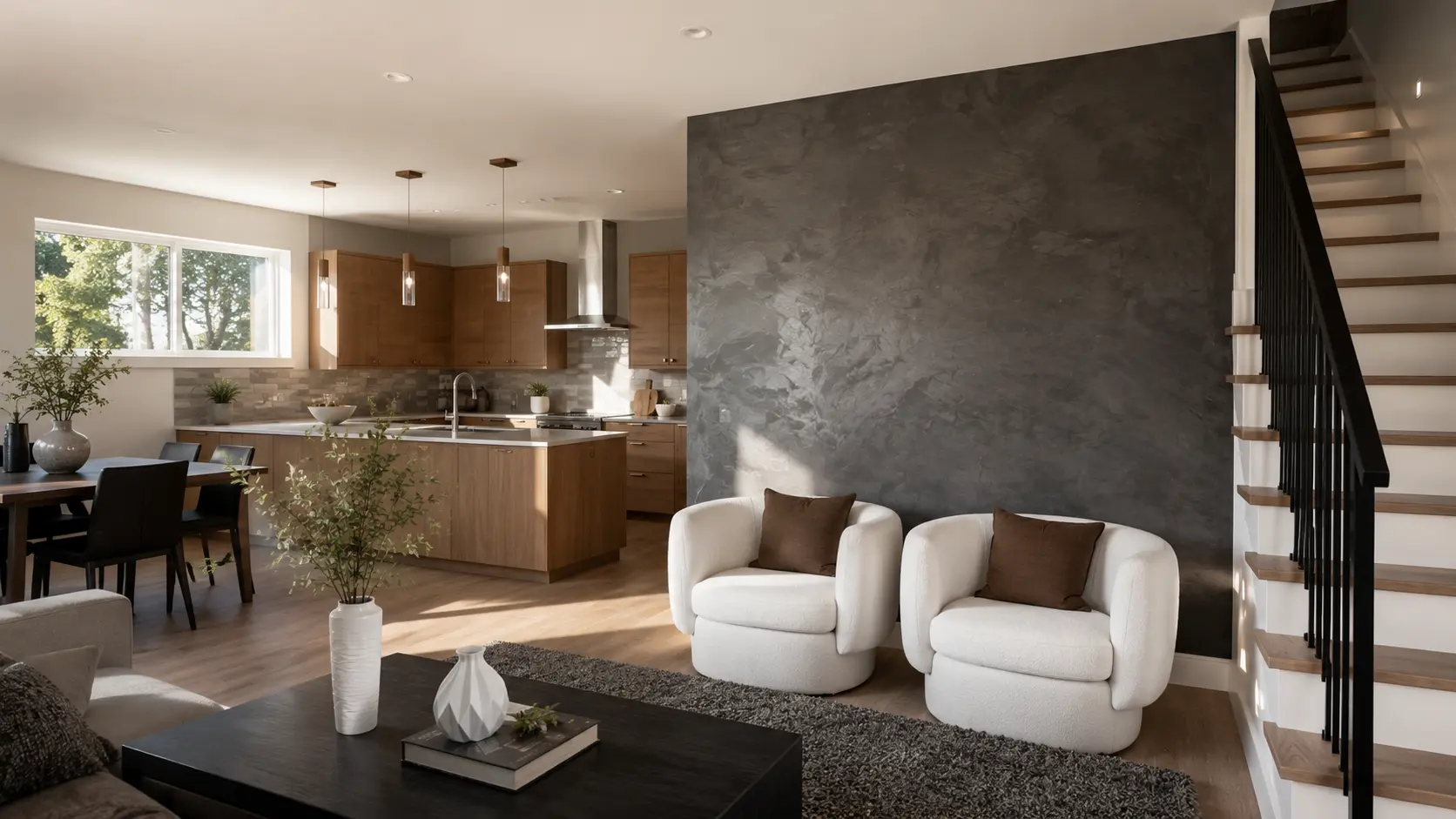
Roman clay is a clay-based decorative finish, applied by hand in thin layers to build a soft, suede-like surface with restrained tonal movement. Where Venetian plaster moves toward depth and polish, Roman clay stays matte and quiet - a warm, tactile wall with architectural softness rather than sheen.
Compared with paint, Roman clay has genuine texture and gentle movement in the way the wall reads; compared with a polished plaster, it is calmer and more understated. It is an interior finish, at its strongest in dry rooms where warmth and softness matter more than shine.
SBK applies Roman clay using Portola Paints, an established decorative finish house whose clay-based material is made for hand application and a consistent matte result.

Moroccan Clay
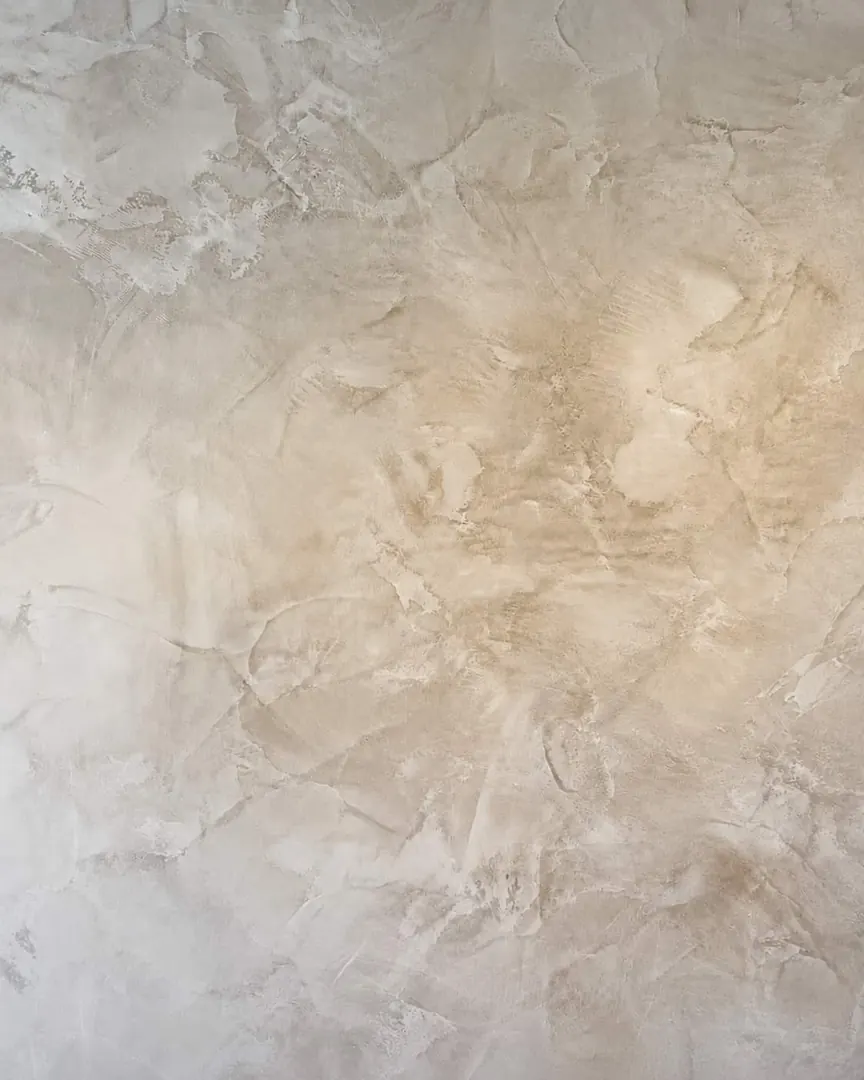
Moroccan clay is a subtype within the same clay-finish family - a matte, hand-applied clay finish with a warm, earthy character and a slightly more pronounced organic movement than a standard Roman clay surface. It shares Roman clay's soft, low-sheen quality and is suited to the same dry interior rooms. On this site, Moroccan clay is delivered as part of the Roman clay service; it is not a separate page, and it is chosen at the sampling stage based on the look you are after.
Roman Clay
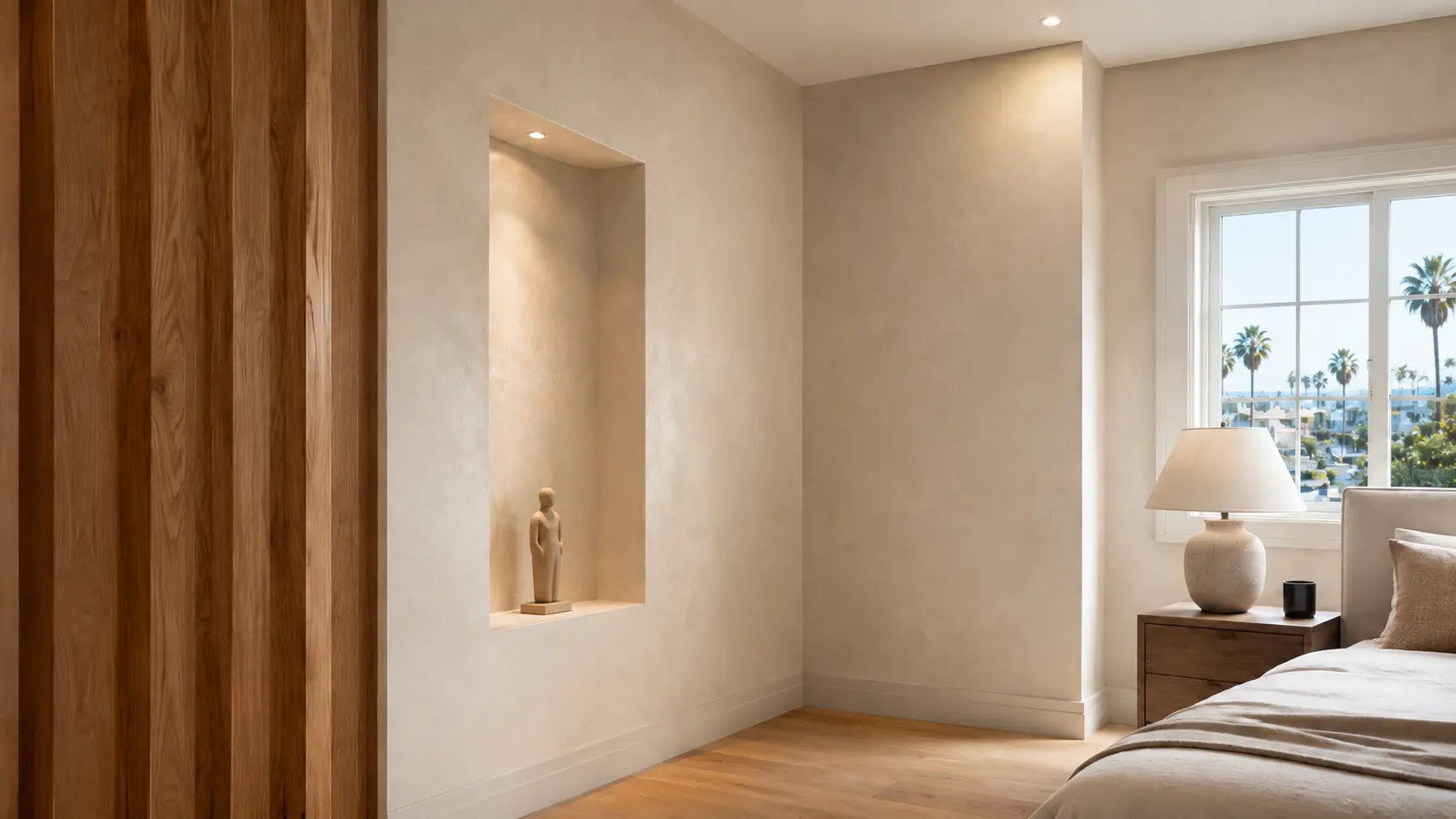
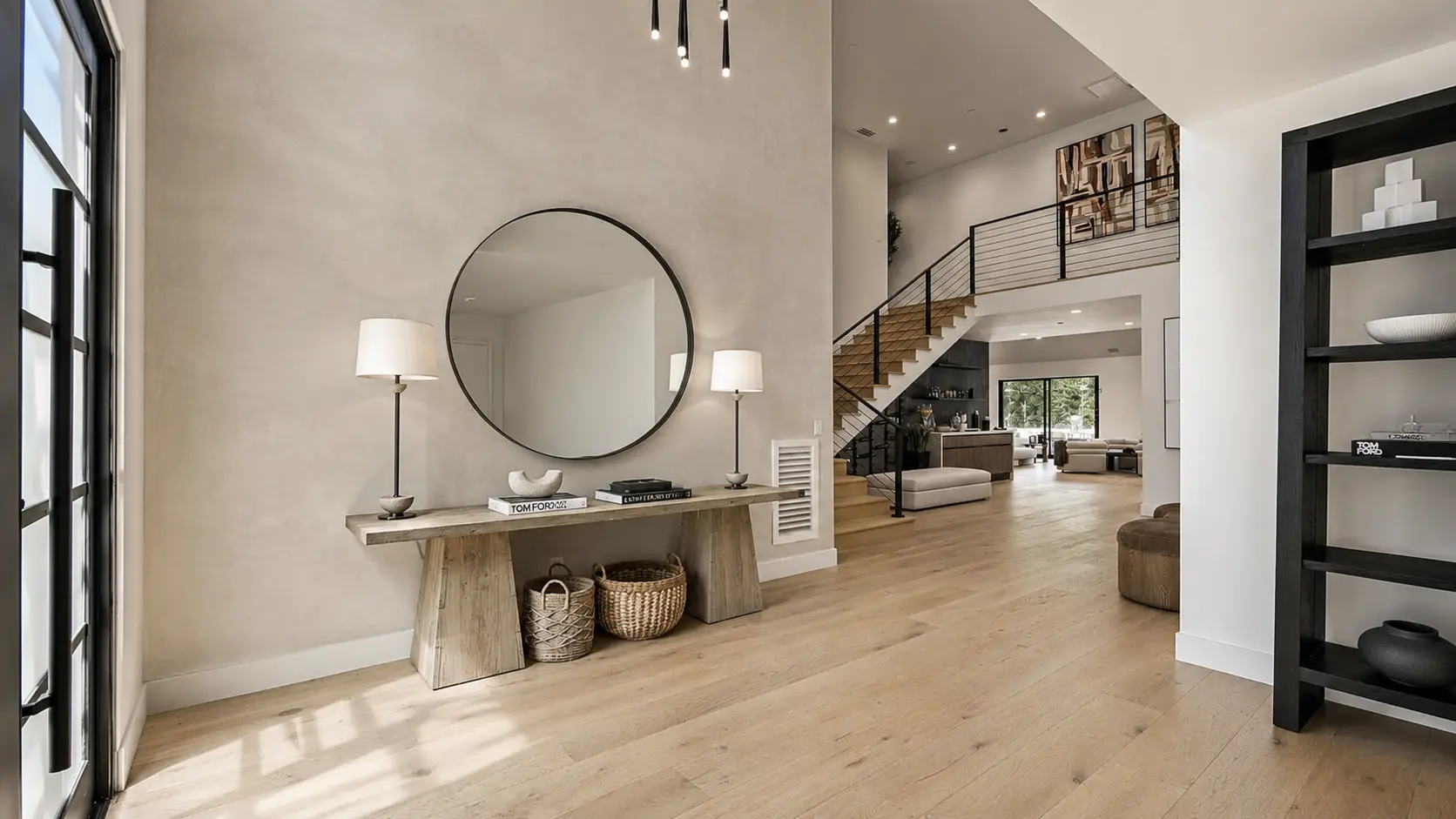
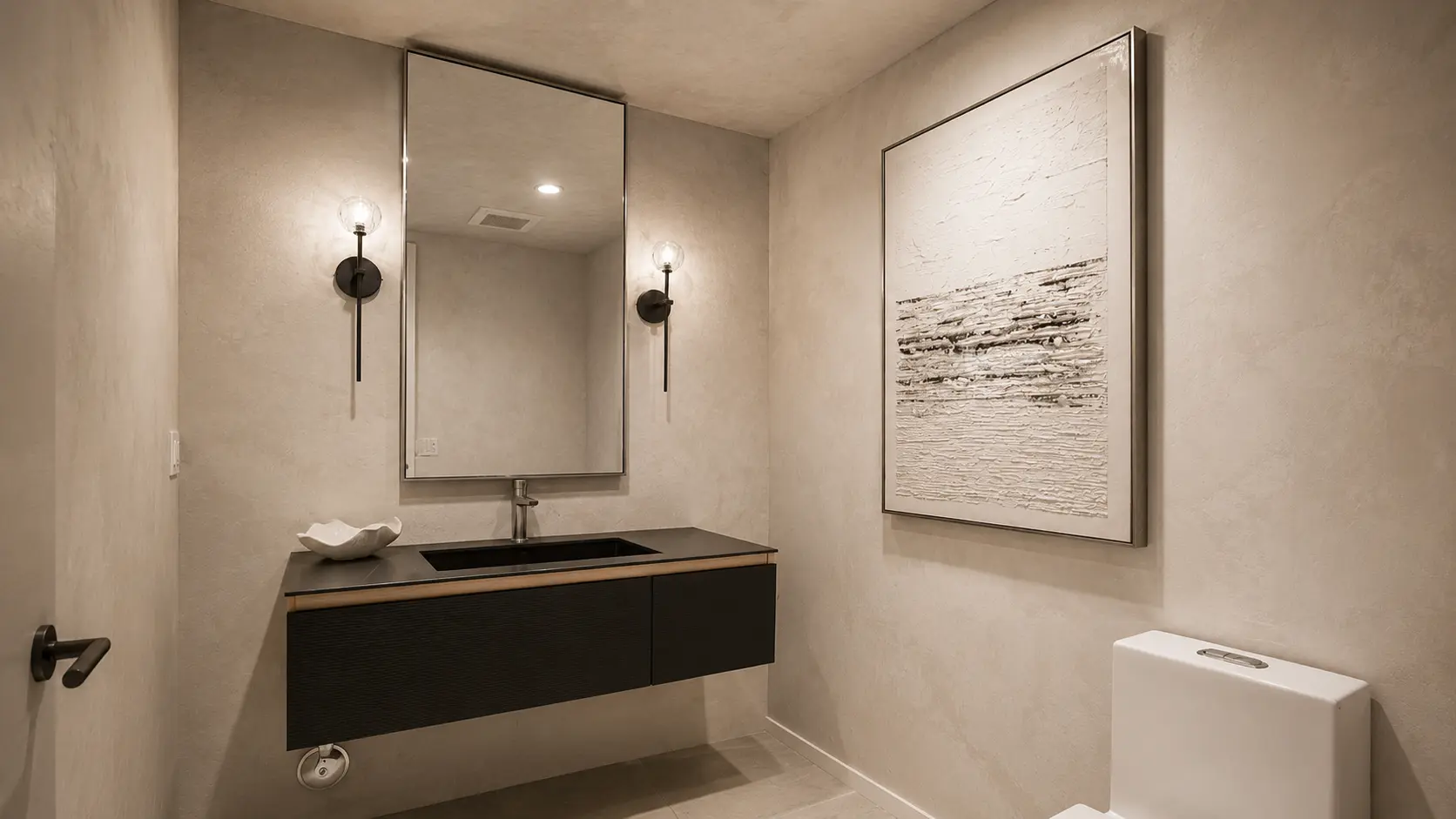
Where Roman Clay Works Best
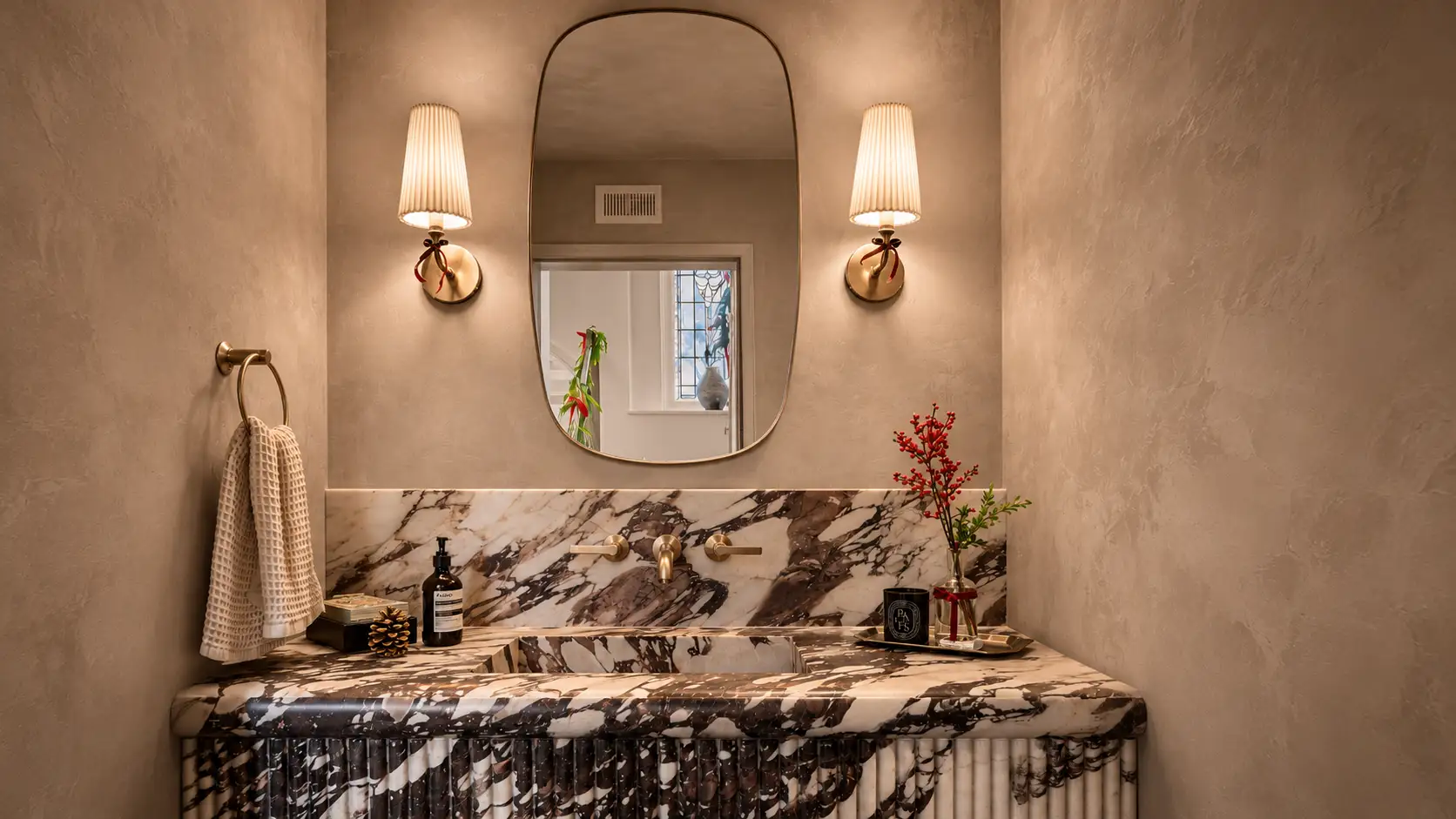
Roman clay is at its best in dry interior rooms where subtlety, softness and tonal depth matter more than washability or wet-zone performance. The applications we are asked about most:
Bedrooms.
The soft, matte warmth gives bedrooms a calm, restful character.
Living rooms.
Roman clay brings quiet depth to living rooms without the reflectivity of a polished finish.
Studies and offices.
A study or home office gains a warm, focused, understated backdrop.
Dry interior feature walls.
Any dry interior wall where the goal is a warm, tactile, matte surface rather than sheen.
Roman clay is an interior finish. It is not a wet-area answer by default, and it is not used for exteriors. The next section is honest about where it is not the right choice.
Why homeowners choose Roman clay
Velvety matte character.
A soft, suede-like surface gives a wall warmth and tactility without any shine.
Warm tonal movement.
Gentle, restrained tonal shifts give depth without the drama of a high-polish finish.
An excellent fit for quiet interiors.
The calm, understated surface suits bedrooms, studies and quiet living spaces especially well.
Softness instead of shine.
For homeowners who want softness rather than sheen, Roman clay is often the clearest answer.
Specialist-applied, start to finish.
Our finish specialists review the room, sample the finish and apply it in-house. No subcontractors, no handoffs.
Where Roman Clay Isn't the Right Choice
Roman clay is a beautiful finish in the right room, but it asks for honesty about scope and preparation before the decision is made.
It is an interior finish.
Roman clay is best positioned for interior walls and is typically not for direct wet zones. It is not an all-bathroom default; where a bathroom is being considered, the exact zone and the full system have to be discussed honestly first.
It needs a smooth wall.
Roman clay depends on wall smoothness more than many homeowners expect. For best results it typically needs a very smooth substrate - often a high-level (Level 5) drywall finish - because irregularities in the wall can telegraph through the finished surface. We raise substrate quality early, not after the finish has been chosen.
Washability depends on the topcoat.
Whether Roman clay can be wiped or cleaned depends on the topcoat selected and how the room is used. This is a decision to make before installation, not a discovery afterward.
It rewards the right room.
In the right dry interior room, ownership is straightforward. In the wrong room, the finish can create avoidable worry - which is exactly why fit is confirmed before the work begins.
How Roman Clay Is Applied - The Full System
Roman clay rewards restraint and preparation. The process is built to confirm both before any wall is finished.
- 01
Confirm the fit and the wall.
We review the wall's smoothness, the room type, the degree of movement you want, the sample direction and your maintenance tolerance - and we are honest if Roman clay is not the best fit for the space.
- 02
Sample in your light.
We prepare a Roman clay sample in your room's actual light, so the color and the soft movement are decided on the wall, not on a screen.
- 03
Prepare the wall.
We prepare the substrate to the smoothness Roman clay needs, since the finished surface reflects the wall beneath it.
- 04
Apply and topcoat.
We apply the Roman clay by hand in thin layers, building the soft, suede-like character, and apply the topcoat suited to the room's use.
- 05
Protect and hand off.
We protect the home while we work and close out the space with clear care guidance for your finish and topcoat.
How much does Roman clay cost in Orange County?
Roman clay is priced per square foot, but the figure depends on the wall and the scope, not the area alone. The factors that move the price most:
Wall smoothness and substrate prep.
Roman clay needs a smooth substrate. If the wall must be brought up to the required smoothness first, that preparation is a real part of the scope - and often the largest variable.
Topcoat requirements.
Whether a wipeable topcoat is needed for the room's use affects the system and the price.
Room and detail complexity.
Detailed rooms, tight cut-in work and unusual conditions all add hand-time.
Surface area and project scope.
Larger continuous areas and the overall scope of the project both affect the figure.
Because the substrate condition can change the scope significantly, the only accurate Roman clay price is one that follows a review of your wall. The estimate stage exists to turn these drivers into a real, transparent figure for your project.
Roman Clay Maintenance and Durability
Day-to-day care for Roman clay depends on the topcoat selected and the room's traffic level. In a calm, dry interior room with the right topcoat, ownership is straightforward - gentle, routine cleaning is usually all that is needed.
The key is matching the finish to the room before installation. In a well-suited room, Roman clay is an easy finish to live with; in a poorly suited one, it can create worry that should have been resolved during the estimate. We talk through care realistically, recommend the topcoat that fits how you use the space, and provide clear care guidance at handoff.
Roman Clay Projects in Orange County
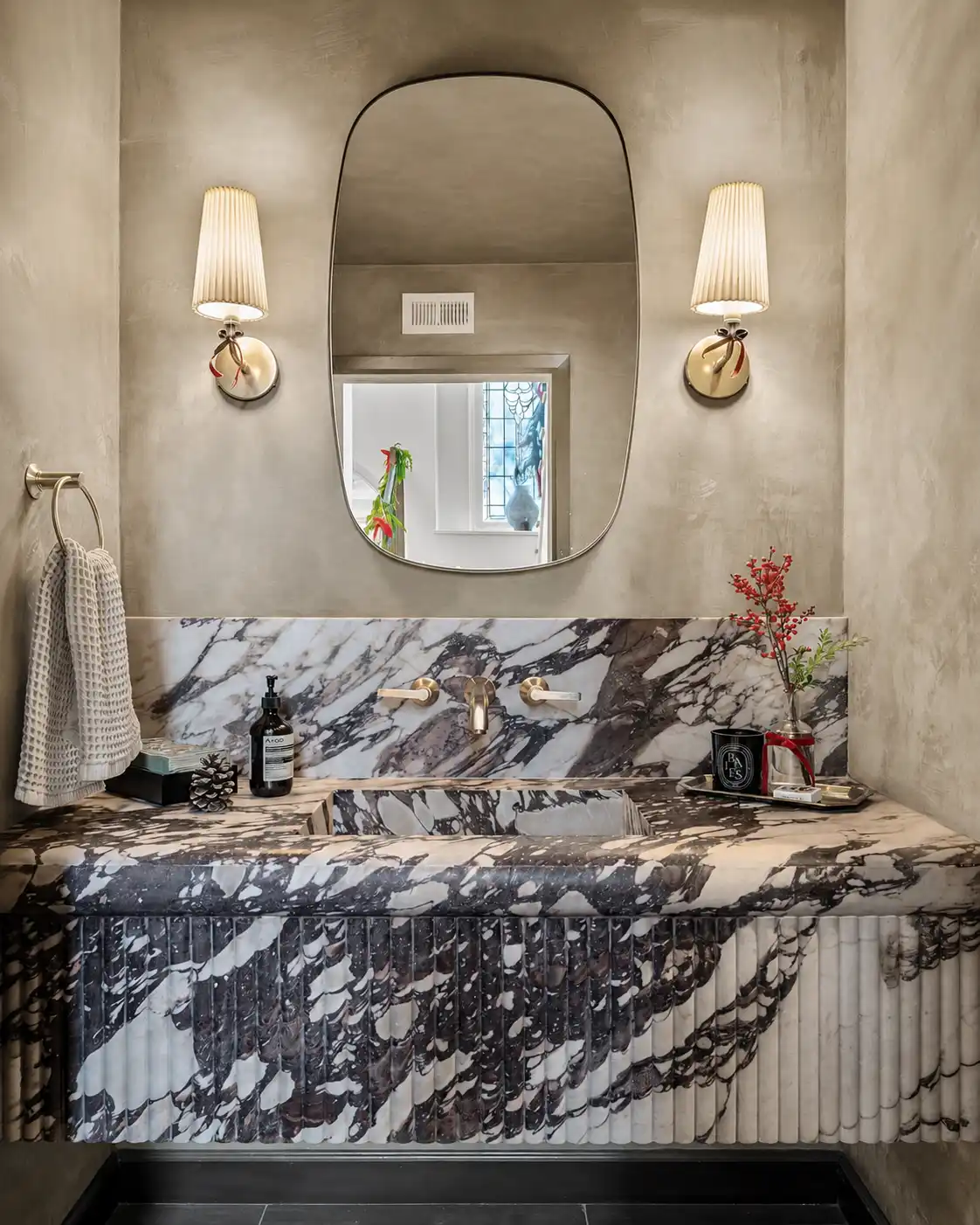
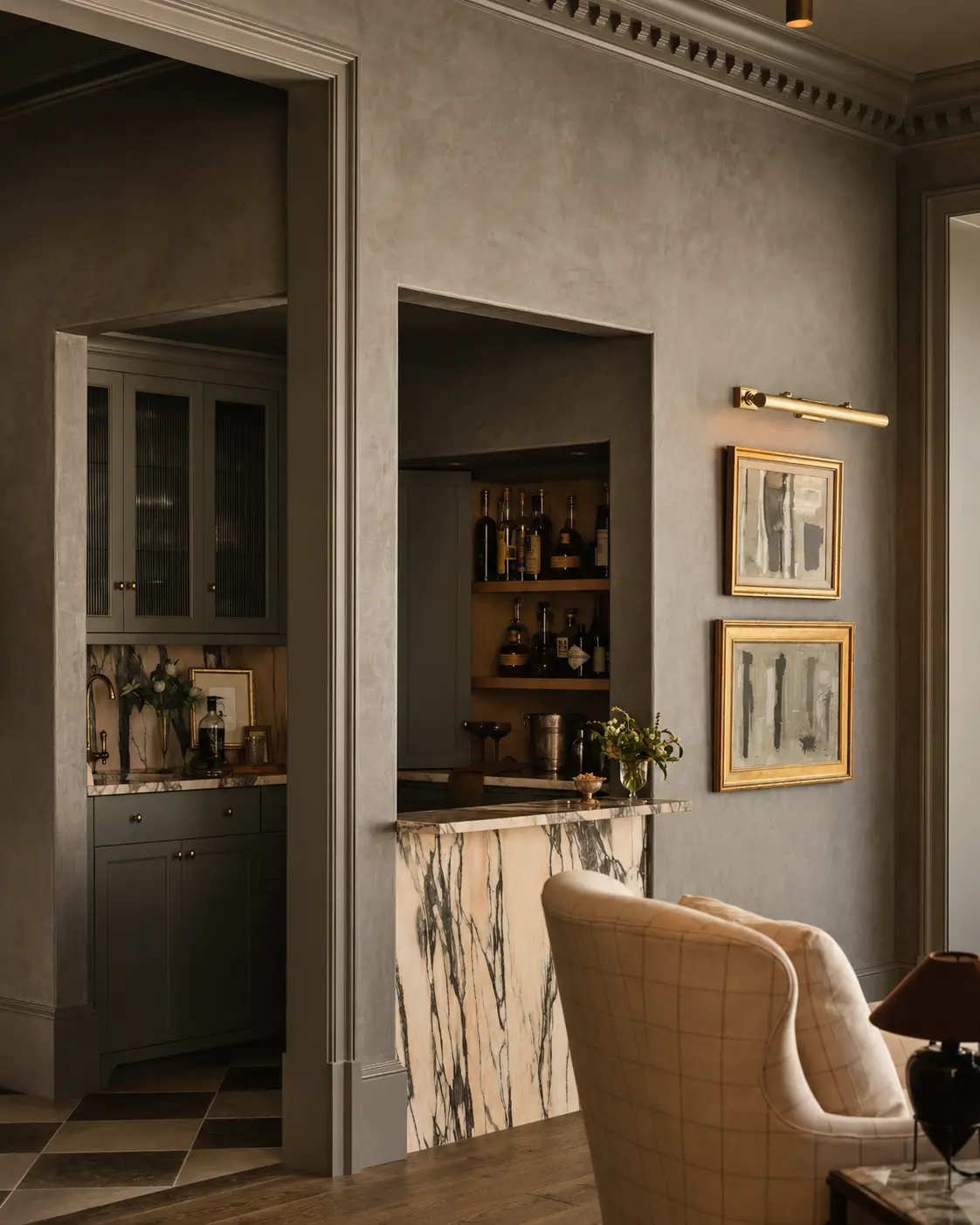
Seeing Roman clay in a real Orange County home shows what a sample cannot - how the soft, matte surface reads across a whole wall, in real light. Each project below shows the room and the context behind it.
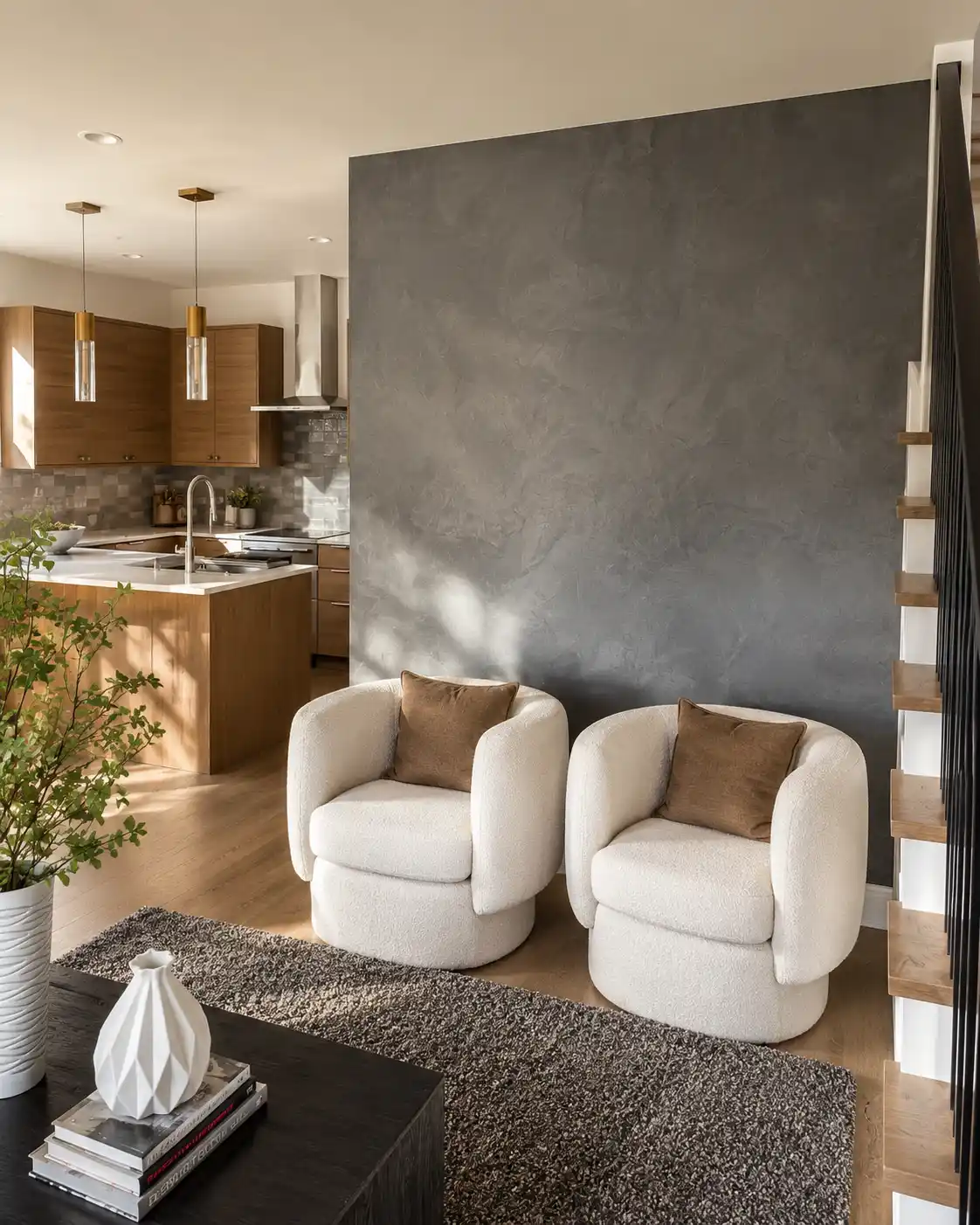
What your investment includes
Every Roman clay finish is applied by hand and priced per square foot, confirmed on a hand-applied sample on-site. Your investment reflects the surface, the substrate, the level of preparation, the complexity of the space and the finish system itself - installed, with premium materials, surface preparation and sealing all included. The indicative range is on our cost page; we give you an exact, itemized figure after a free on-site visit, where we sample the finish in your space and your light.
Roman clay FAQs
Roman clay is softer, more matte and generally more understated - a warm, suede-like surface. Venetian plaster moves toward more depth, polish and stone-like presence. Choose Roman clay for quiet warmth; choose Venetian plaster for layered, light-catching depth.
It depends on the exact zone and the full system. Roman clay is an interior finish and should not be treated as a simple all-bathroom default; it is not for direct wet zones. If a bathroom is being considered, we review the specific zone and confirm honestly whether it is a suitable fit.
Yes. Roman clay depends on wall smoothness more than many homeowners expect, because irregularities in the substrate can telegraph through the finished surface. For best results it typically needs a very smooth wall, often a high-level drywall finish. We raise substrate quality early in the process.
Washability depends on the topcoat selected and how the room is used. This is a decision to make before installation, not after - we recommend the topcoat that suits your room and explain what it allows.
In dry interior spaces where the goal is warmth and softness rather than sheen - bedrooms, living rooms and studies are the most common. It is at its best where a calm, matte, tactile wall suits the room.
Roman clay feels denser, warmer and more suede-like, with a relatively even matte surface. Lime wash feels more clouded, airy and overtly mineral, with more visible movement. The right choice depends on whether you want quiet density or soft, breathable variation.
Moroccan clay is a subtype within the same clay-finish family. It shares Roman clay's soft, matte, low-sheen character, with a slightly warmer, more pronounced organic movement. Both are clay-based, hand-applied and suited to dry interior rooms, and both are delivered as part of the same Roman clay service - the choice is made at the sampling stage.
Roman clay is priced per square foot, confirmed on a hand-applied sample on-site, and the figure depends on your surface and substrate, how much preparation the walls need, the complexity of the space and the finish system you choose. The most accurate way to get your number is a free on-site visit, where we measure, sample the finish in your light and give you an itemized estimate.
Compare Roman clay with related finishes
If you are weighing your options, it helps to see Roman clay next to the alternatives. Compare it with Venetian Plaster for more sheen and depth, or with Lime Wash for a more breathable, clouded movement. The Finishes Hub puts all the finishes side by side.
Is Roman clay right for your space?
The estimate stage is where it all comes together: we review the wall and its smoothness, confirm honestly whether Roman clay fits the room, discuss sample direction and the right topcoat, and turn the cost drivers into a clear figure. You do not need every detail decided in advance; that is what the conversation is for.
An estimate is a conversation about fit, not a commitment. If Roman clay is not the right finish for your room, we will tell you.